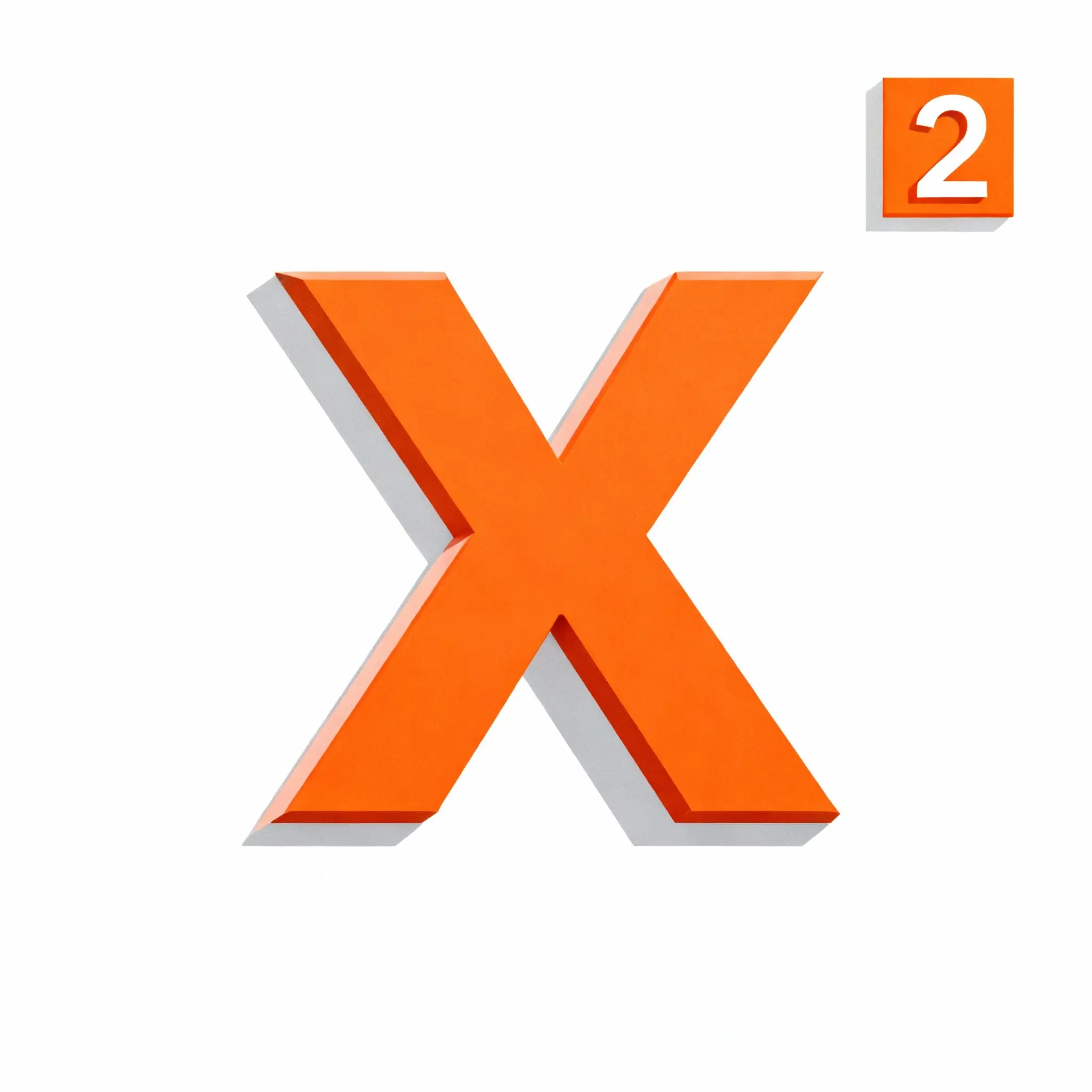
A Practical Look at Unicode Superscript — Why Superscripts Sometimes Break
Blogger: Adam.W, Published 2025.12.27
Contents
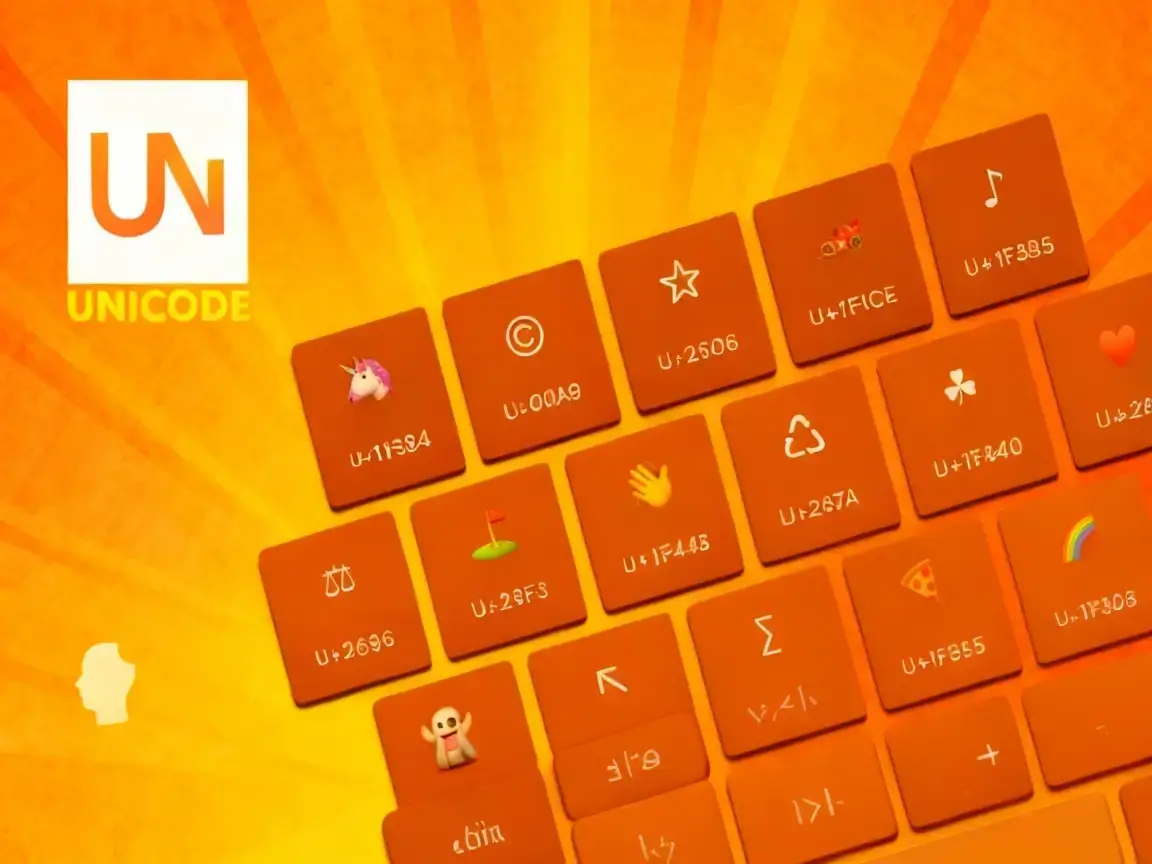
- Unicode (Explained the Way I Wish Someone Told Me Years Ago)
- Superscripts Aren't a Formatting Trick — They're Actual Characters
- So Why Does It Still Break and Become ☐?
- Not All Superscripts Are Equal
- These almost always work
- These… not so much
- Where Superscripts Actually Make Sense
- 1. Social media bios
- 2. Quick math / science notes
- 3. Messy notes where formatting buttons don't exist
- A Few Survival Tips (From Trial and Error)
- Final Note
If you've ever copied a cute tiny "ⁿ" or "ᵐ" from the internet and pasted it into an app… only to watch it morph into a lonely square ☐, you already know the pain.
This happens so often that at some point I started digging into why, mostly because I was tired of rewriting things twice.
The answer is both simple and annoyingly technical — but I'll try to keep it human.
Unicode (Explained the Way I Wish Someone Told Me Years Ago)
The short version is: Unicode is basically the world's agreement on "what character is what."
It doesn't tell your phone how to draw the character.
It only tells it which character you meant.
Think of it like this:
- Unicode = "This is the idea of the character."
- Font = "This is how I draw that idea."
That's it.
That simple distinction explains 80% of the superscript heartbreak.
Superscripts Aren't a Formatting Trick — They're Actual Characters
This part surprised me when I first learned it.
When you see something like ¹ or ⁿ, that's not someone shrinking a normal number or letter.
It's a separate character altogether — just like "A" and "a" are different, superscript "¹" and normal "1" are different. So when you copy something from a superscript generator (or wherever), you're not copying style — you're copying a real Unicode character.
This is also why you can paste it anywhere, at least in theory.
So Why Does It Still Break and Become ☐?
Here's the annoying part:
Even if Unicode defines a character, your device still needs a font that knows how to draw it.
If it doesn't, you get the blessed little tofu box.
Different devices ship with different fonts, which means:
- iPhones are pretty forgiving
- Windows is… okay-ish
- Older Android phones behave unpredictably
- Some social media apps use tiny, stripped-down fonts to save space
From my own experience, Instagram and certain note apps are the biggest culprits — they fall back to boxes more often than you'd expect.
Not All Superscripts Are Equal
Some superscripts rarely break. Others are just waiting to betray you.
These almost always work:
¹ ² ³ ⁿ ⁺ ·
I've used them across apps and platforms and barely had issues.
These… not so much:
ᵃ ᵇ ᵈ ᵉ ʰ ʳ
They look adorable, but I'd test them before sending anything important.
Half the time they break on older Android devices.
Where Superscripts Actually Make Sense
I personally use superscripts in three places:
2. Quick math / science notes
I prefer writing "Fe³⁺" directly instead of fiddling with formatting in apps that barely support it.
3. Messy notes where formatting buttons don't exist
Some minimal Markdown editors just don't have superscript buttons. Unicode is the simpler path.
And yes — Some small superscript tools online make this faster. I sometimes use a superscript tool when I'm too lazy to dig through character tables.
Same with subscript generators if I need H₂O or CO₂ written cleanly.
But that's about utility, not promotion — when you need them, you know.
A Few Survival Tips (From Trial and Error)
These aren't rules — just things that have saved me time:
- Stick to the common superscripts if you care about wide compatibility.
- Test once on another device if you're sending something important.
- Don't obsess over fancy characters— the fancy ones break the most.
- If all else fails, backup with "x^2" style notation.Everyone understands it.
Final Note
Once you understand the whole Unicode-vs-font situation, superscripts suddenly make a lot more sense.
It's not you. It's not your app.
It's just that tiny gap between "the character exists" and "my phone knows how to draw it." And once you internalize that, you'll start picking characters — or using our superscript tool — in a way that saves you a lot of frustration.
1. Social media bios
People love adding tiny accents to names. It's subtle but makes the text look intentional.